







Moving House Checklist: Your Ultimate Guide to a Smooth Move
 June 02, 2026
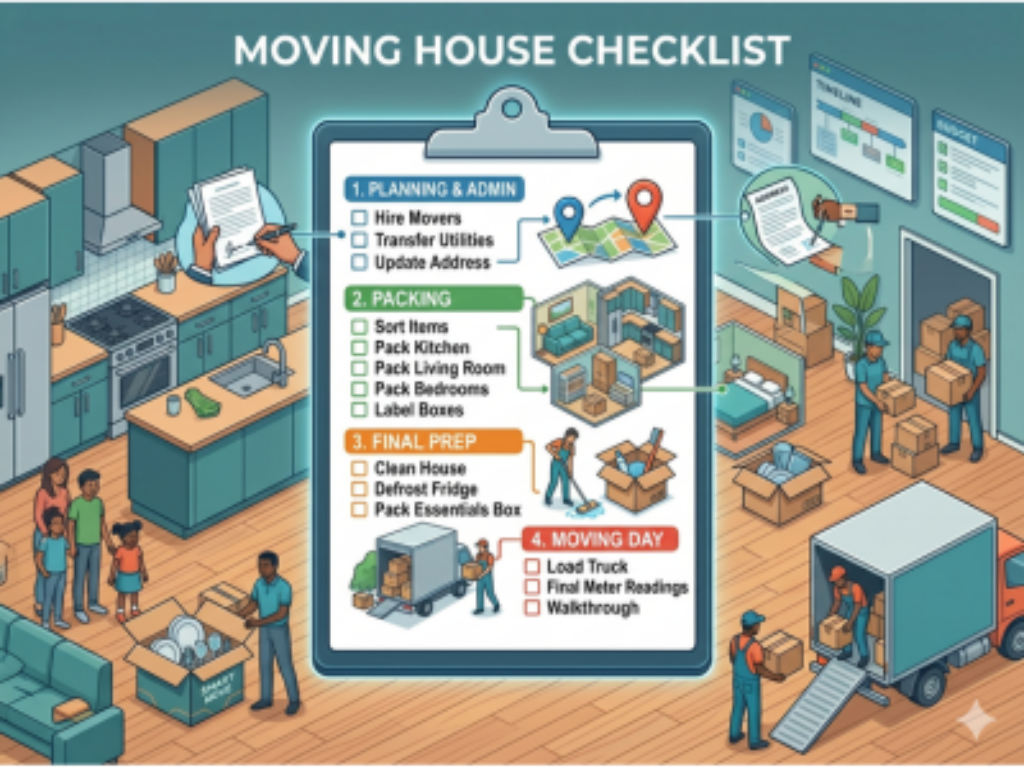
Moving into a new house is often described as one of life's most stressful events. While the excitement of a fresh start in a new home is undeniable, the logistics of packing, coordinating, and relocating can feel overwhelming. The good news? With a comprehensive moving house checklist, you can transform this daunting task into a manageable, even enjoyable, process. This ultimate guide will walk you through every critical step, from the moment you decide to move until you're settled in your new abode.
Eight Weeks Before Moving Day: The Planning Phase
The key to a stress-free move lies in early preparation. Eight weeks out is the ideal time to start laying the groundwork.
1. Create a Master Moving Binder/Digital Folder
This will be your central hub for all moving-related documents. Include quotes, contracts, important contact information, receipts, and a running To-Do list. Organization is your best friend during this period.
2. Set Your Budget
Moving costs can add up quickly. Factor in expenses like professional movers, packing supplies, utility connection fees, potential repairs, and even food during the moving week. Understanding the potential moving cost upfront will help you avoid unwelcome surprises.
3. Research and Book Movers
If you're using professional movers, start researching reputable companies now. Obtain quotes from several providers and compare their services, insurance options, and reviews. Don't just look at the price; consider what's included in their packages. Understanding how to compare moving company quotes effectively is crucial here. Book your preferred company as soon as possible, especially if you're moving during peak season.
4. Declutter and Downsize
This is perhaps the most crucial step. Go through every room, every closet, every drawer. Decide what you truly need, love, and use. Create piles for keeping, donating, selling, and trashing. The less you move, the less you have to pack, unpack, and pay to transport.
5. Start an Inventory List
As you declutter, begin creating an inventory of items you plan to move. This will be helpful for insurance purposes and for ensuring everything arrives safely at your new home.
Six Weeks Before Moving Day: Getting Practical
With a foundation laid, it's time to get into the nitty-gritty.
1. Gather Packing Supplies
Collect sturdy moving boxes in various sizes, packing tape, bubble wrap, packing paper, markers, and labels. Don't underestimate the amount of packing materials you'll need. Consider specialty boxes for dishes, clothes, and electronics.
2. Begin Non-Essential Packing
Start packing items you won't need in the next six weeks. This includes seasonal decorations, books you've already read, out-of-season clothing, and infrequently used kitchen gadgets. Label boxes clearly with their contents and the room they belong in at the new house.
3. Notify Important Parties
Inform your landlord (if renting), utility companies (gas, electricity, water, internet, trash), and your children's schools about your upcoming move. Arrange for disconnection dates at your old home and connection dates at your new one.
4. Arrange for Mail Forwarding
Set up mail forwarding with the postal service to ensure you don't miss any important correspondence.
Four Weeks Before Moving Day: The Mid-Move Mark
You're officially in the thick of it now!
1. Confirm Moving Company Details
Touch base with your movers to confirm dates, times, and any specific instructions. Review your contract carefully, paying attention to what's included and what's not. It’s also a good time to understand the types of moving insurance available to protect your belongings.
2. Pack More Extensively
Continue packing, focusing on less frequently used items from all rooms. Remember to properly pack fragile items for moving to prevent damage.
3. Change Your Address
Update your address with banks, credit card companies, insurance providers, subscriptions, and any other important institutions.
4. Plan for Pets and Children
If you have pets or young children, make arrangements for their care on moving day. This might involve a pet sitter, a friend, or family members to keep them safe and comfortable during the chaos.
5. Arrange for Cleaning
Decide whether you'll clean your old home yourself or hire professional cleaners. Schedule this for after your belongings have been moved out.
Two Weeks Before Moving Day: The Final Push
The countdown is on!
1. Pack Remaining Items (Except Essentials)
By now, most of your home should be packed. Leave only essential items you'll need for the next two weeks.
2. Prepare a "First Night" Box
This box is crucial. It should contain everything you'll need immediately upon arrival at your new home: toiletries, medications, a change of clothes, basic tools, snacks, water, phone chargers, important documents, and pet supplies. Label it clearly and keep it with you.
3. Defrost Your Freezer
If you're moving your refrigerator, empty and defrost your freezer. Clean it thoroughly.
4. Dispose of Hazardous Materials
Properly dispose of any flammable liquids, paints, or chemicals that movers cannot transport.
5. Confirm Utility Transfers
Double-check that all utilities will be disconnected at your old home and connected at your new one on the appropriate dates.
One Week Before Moving Day: The Home Stretch
Almost there!
1. Confirm All Appointments
Reconfirm with movers, cleaners, and anyone else involved in your move.
2. Pack Your Essentials Bag
This is different from your "first night" box. This bag should contain items you absolutely cannot do without: wallet, keys, phone, medications, important documents, and any valuables.
3. Finish Laundry
Wash all clothes, towels, and linens so you don't move dirty items.
4. Empty Trash Cans
Ensure all trash cans are empty and clean.
5. Prepare Payment for Movers
Have the agreed-upon payment ready for your movers, whether it’s cash, check, or credit card.
Moving Day: The Big Event
It's finally here!
1. Supervise Movers
Be present to answer questions and guide movers, especially regarding what needs to go and what stays. Do a final walk-through of your old home to ensure nothing is left behind.
2. Keep Essentials Bag with You
Do not let your essentials bag out of your sight.
3. Provide Refreshments
Offer water or snacks to your movers; it's a small gesture that goes a long way.
4. Do a Final Walk-Through
Before leaving your old home for good, do a thorough final walk-through to ensure all windows and doors are locked, lights are off, and nothing is forgotten.
5. Arrive at Your New Home
Be there to meet the movers. Direct them on where to place boxes in each room. This will save you a lot of heavy lifting later.
After Moving In: Settling Down
The move isn't over until you're settled.
1. Check Utilities
Confirm that all utilities are working correctly in your new home.
2. Unpack Essentials
Start with your "first night" box to make your initial hours in the new home comfortable.
3. Change Locks
For security, consider changing the locks on all exterior doors.
4. Explore Your New Neighborhood
Take some time to explore local amenities, grocery stores, and important services.
5. Update Your Driver's License/Vehicle Registration
Update your address on your driver's license, vehicle registration, and insurance.
Moving is a marathon, not a sprint. By following this comprehensive moving house checklist, you can systematically tackle each task, reduce stress, and ensure a smooth transition into your exciting new chapter. Welcome home!
Frequently Asked Questions
How far in advance should I start packing for a move?
Ideally, you should start decluttering and packing non-essential items about 8 weeks before your moving date. This allows you to spread out the work and avoid last-minute rush.
What should I pack in my "first night" box?
Your "first night" box should contain immediate essentials like toiletries, medications, a change of clothes, basic tools, phone chargers, snacks, water, important documents, and pet supplies if applicable. This box should be easily accessible.
Should I get moving insurance?
Yes, it's highly recommended to consider moving insurance. While movers offer basic liability coverage, it often isn't enough to cover the full value of your belongings in case of damage or loss. Exploring additional coverage options can provide peace of mind.
How can I save money on my move?
Saving money on a move often involves decluttering aggressively (less to move equals less cost), packing yourself, sourcing free moving boxes, and obtaining multiple quotes from moving companies to compare prices and services.
What's the best way to label moving boxes?
Label boxes clearly on at least two sides with the contents and the room they belong in at your new house (e.g., "Kitchen - Pots & Pans," "Bedroom 1 - Linens"). You can also assign a color code to each room for easier identification.