







Long Distance Pod Moving Cost: Get Accurate Quotes Now
 July 20, 2026
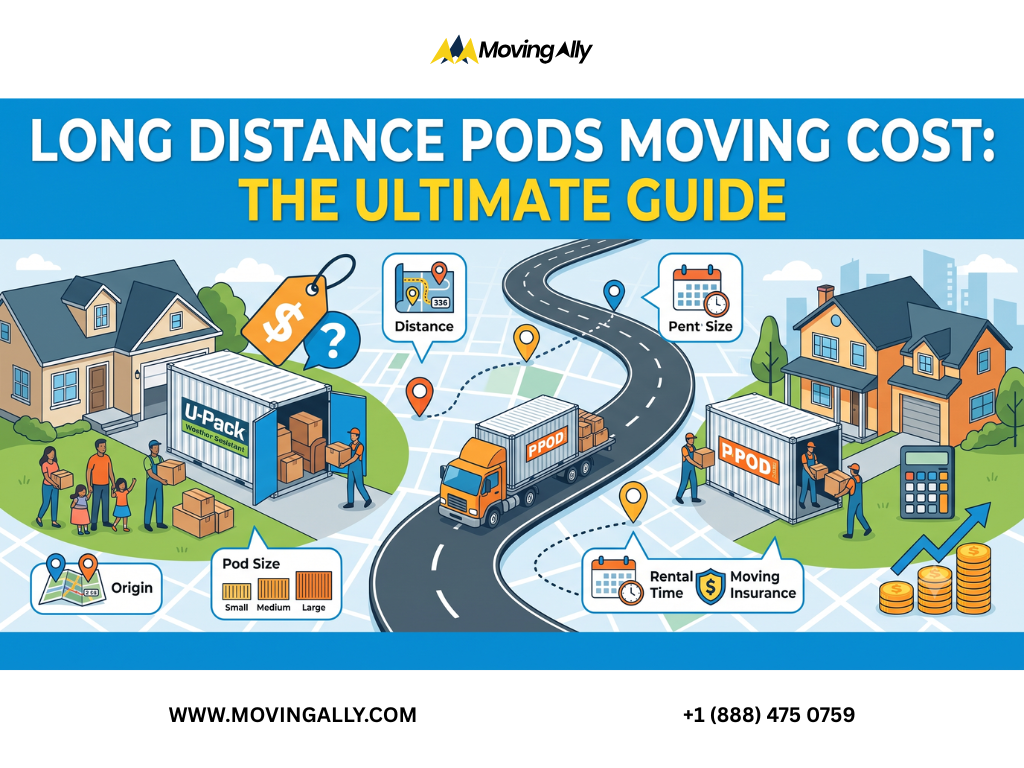
Planning a long-distance move can feel overwhelming, especially when it comes to budgeting. One of the most popular and cost-effective solutions for such moves is using moving pods. These portable storage containers offer flexibility and control, allowing you to pack and load at your own pace. However, understanding the long distance pod moving cost is crucial for a stress-free relocation. This comprehensive guide will break down the factors influencing pod moving prices, how to get accurate quotes, and tips for saving money.
What Are Moving Pods and Why Choose Them?
Moving pods, often referred to as portable storage containers or moving containers, are large, weather-resistant storage units delivered directly to your home. You pack and load them yourself, or you can opt for professional packing and loading services. Once loaded, the pod company transports your container to your new destination. This "you pack, they move" model offers several advantages:
- Flexibility: You have ample time to pack and load without the pressure of a moving truck waiting.
- Cost-Effectiveness: Generally more affordable than full-service moving companies, especially for smaller to medium-sized moves.
- Convenience: Eliminates the need to rent and drive a large, unwieldy moving truck.
- Storage Options: Many companies offer both immediate delivery to your new home or storage at their facility if there's a gap between moving out and moving in.
Factors Influencing Long Distance Pod Moving Cost
The price you'll pay for a long-distance pod move isn't a single, fixed number. Several variables come into play, and understanding them will help you anticipate costs and compare quotes effectively. Here are the primary factors:
1. Distance of the Move
This is perhaps the most significant factor. The further your belongings need to travel, the higher the cost will be. Pod moving companies calculate their rates based on mileage, as fuel, driver time, and transportation logistics all increase with distance.
2. Size of the Pod
Pod moving companies typically offer containers in various sizes, usually ranging from 8 feet to 16 feet or even larger. The larger the pod you need, the more it will cost. It's essential to choose a size that accurately reflects the volume of your belongings to avoid paying for unused space or needing multiple pods.
3. Duration of Use
Companies charge for the time you have the pod. This includes the time it's at your home for packing and loading, and potentially the time it spends in transit or storage. While most long-distance moves have a set transit time, you'll be charged a daily or weekly rate for the period the pod is in your possession.
4. Packing and Loading Services
If you opt for professional packing and loading services, this will significantly increase the overall cost. These services are labor-intensive and require skilled professionals to ensure your belongings are packed safely and loaded efficiently. You can also choose to have them just load the pod, or unpack at your destination.
5. Moving Insurance
While basic liability coverage is often included, it usually only covers a small amount per pound. For valuable items, you'll want to consider purchasing additional moving insurance. The cost of this insurance will vary depending on the declared value of your belongings. Understanding the types of moving insurance offered by movers is crucial to protect your possessions.
6. Time of Year and Demand
Like many services, moving costs can fluctuate based on demand. Peak moving seasons (typically summer months and around holidays) often see higher prices due to increased demand. Moving during off-peak times can lead to significant savings.
7. Additional Fees and Services
Be aware of potential extra charges. These can include:
- Delivery and pick-up fees (sometimes separate).
- Storage fees (if you need the pod stored at the company's facility).
- Weight surcharges (if your pod exceeds a certain weight limit).
- Permit fees (if required by your local municipality for street placement).
- Fuel surcharges (especially for very long distances).
How to Get Accurate Long Distance Pod Moving Quotes
To get the most accurate long-distance pod moving cost, you need to gather information and compare quotes from multiple reputable companies. Here's a step-by-step approach:
1. Assess Your Moving Needs
Before you start contacting companies, determine:
- The approximate volume of your belongings (consider using a moving planner to help estimate).
- The desired timeframe for packing and delivery.
- Whether you'll need packing, loading, or unloading assistance.
- Your budget.
2. Research Reputable Pod Moving Companies
Look for companies with a strong track record, positive online reviews, and proper licensing and insurance. Ask for recommendations from friends, family, or colleagues who have moved long distances using pods. It's also wise to check their company credentials.
3. Request Detailed Quotes
When you contact companies, provide them with as much detail as possible:
- Your origin and destination addresses.
- The approximate date you need the pod.
- The estimated amount of items you'll be moving.
- Whether you need storage.
- If you require any additional services (packing, loading, etc.).
Ask for a written quote that clearly outlines all costs, including any potential surcharges or fees. Don't be afraid to ask clarifying questions. Understanding what to look for in a moving company contract before signing is essential.
4. Compare Quotes Carefully
Don't just go with the cheapest option. Compare quotes side-by-side, paying attention to what is included in each price. A slightly higher quote that includes more comprehensive services or better insurance might be a better value in the long run.
5. Consider Using a Moving Cost Calculator
Some companies offer online tools that can give you a preliminary estimate. While these are not always exact, they can be a good starting point to understand potential costs. You can explore a moving cost calculator to get a general idea before getting official quotes.
Tips for Saving Money on Long Distance Pod Moving
While pods are generally more affordable than full-service movers, there are still ways to optimize your budget:
- Declutter Ruthlessly: The less you move, the smaller the pod you'll need, and the less it will cost. Go through your belongings and donate, sell, or discard anything you no longer need.
- Pack Yourself: If your budget is tight, packing your own belongings is a significant cost saver. However, ensure you pack carefully to avoid damage. This is where resources like how to pack kitchen when moving can be invaluable.
- Pack Smartly: Distribute weight evenly and pack heavier items at the bottom. Consider how you'll move specific items, like large furniture. For instance, understanding do movers disassemble the beds can help you plan ahead.
- Choose the Right Pod Size: Overestimating can lead to paying for unnecessary space. Underestimating might require a second pod or leaving items behind.
- Be Flexible with Dates: If possible, schedule your move during off-peak seasons or mid-week when demand is lower.
- Compare Multiple Quotes: As mentioned, this is the most effective way to ensure you're getting a competitive price.
- Read the Fine Print: Understand all fees and potential surcharges before signing any contract.
Frequently Asked Questions
What is the average cost of a long distance pod move?
The average cost can range widely, from $1,000 to $5,000 or more, depending on the factors mentioned above. A 10-foot pod moving 500 miles might cost around $1,500, while a 16-foot pod moving 1,500 miles could be $3,500 or more, especially with added services.
How long does it take to move with a pod?
The transit time for a long-distance pod move typically ranges from a few days to two weeks, depending on the distance and the company's logistics. You also need to factor in the time you have the pod at your home for packing and loading, which can be several days or even weeks.
Do I need to be present when the pod is delivered or picked up?
Yes, it's highly recommended to be present or have a trusted representative available during delivery and pick-up to ensure the pod is placed correctly, to inspect it, and to secure it properly. You'll also need to be there to supervise loading if you're doing it yourself.
What if my belongings don't fit in the pod I ordered?
If you realize your belongings won't fit, contact the moving pod company immediately. They may be able to arrange for a second, smaller pod or a larger one, though this could incur additional fees and delays. It's why accurate estimation is so important.
Are moving pods safe for my belongings during transit?
Moving pods are designed to be weather-resistant and durable. However, the safety of your items largely depends on how well you pack and secure them within the pod. Using proper packing materials, distributing weight evenly, and securing items to prevent shifting during transit are crucial.