







Hire a Moving Company: Your Stress-Free Guide
 July 06, 2026
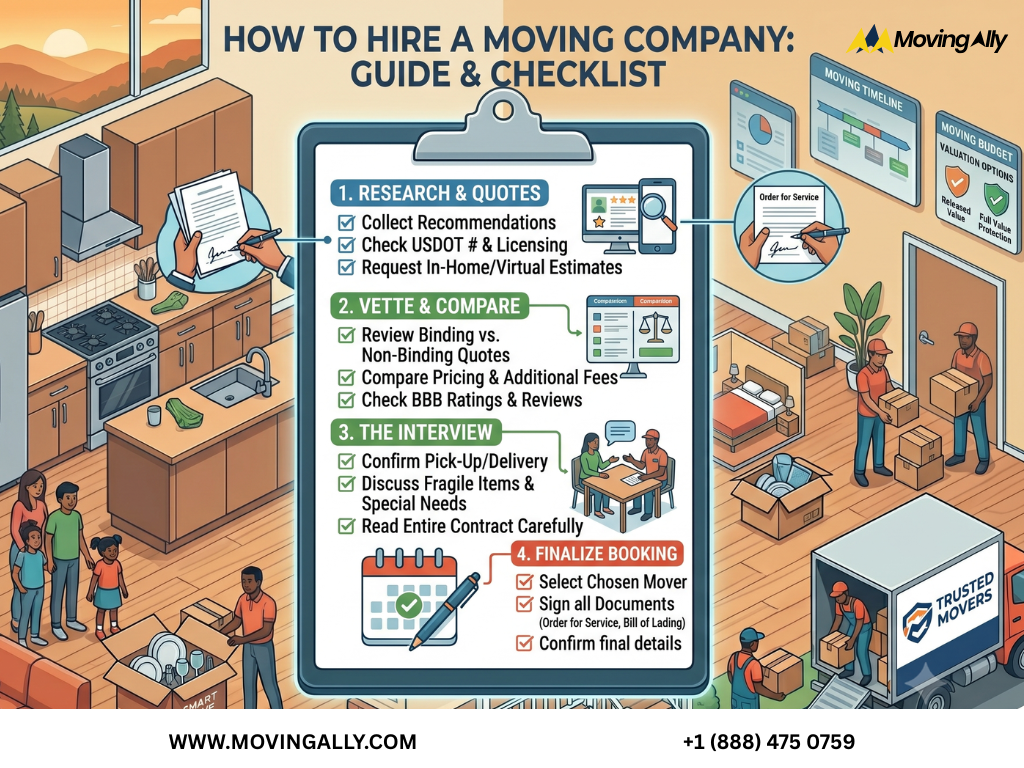
Moving can be an exciting new chapter, but the process itself can often feel overwhelming. From packing countless boxes to coordinating logistics, the sheer amount of work involved can quickly turn excitement into stress. Fortunately, hiring a reputable moving company can transform your moving experience from a chaotic ordeal into a smooth, organized transition. This comprehensive guide will walk you through the essential steps to ensure you hire the right professionals for your move, making your journey to a new home or office as stress-free as possible.
Why Hire a Moving Company?
While the DIY approach might seem tempting, especially for smaller moves, the benefits of professional movers are undeniable. They bring expertise, specialized equipment, and manpower that can save you time, energy, and even prevent costly mistakes. Consider these advantages:
- Efficiency: Professional movers are trained to pack, load, and transport your belongings quickly and safely.
- Safety: They have the experience and equipment to handle heavy, bulky, or fragile items, reducing the risk of damage to your possessions and injuries to yourself.
- Reduced Stress: Letting professionals handle the heavy lifting and complex logistics frees you up to focus on other important aspects of your move, like settling into your new neighborhood.
- Insurance: Reputable moving companies offer various levels of insurance to protect your belongings during transit.
- Specialized Services: Whether you're moving a piano, a delicate artwork collection, or an entire office, movers have the skills and tools to handle specialized items. For instance, if you're relocating your business, commercial moving services are specifically designed to minimize downtime and disruption.
Steps to Hiring the Right Moving Company
Finding the perfect moving company requires a systematic approach. Here’s a breakdown of the key steps:
1. Determine Your Moving Needs
Before you even start researching companies, clearly define what you need. Consider:
- Type of Move: Are you moving locally, long-distance, or internationally? Each has different requirements and regulations. For a long-distance move, you’ll want a company with experience in interstate or cross-country relocations.
- Volume of Belongings: How much stuff do you have? This will affect the size of the truck needed and the time required for the move.
- Special Items: Do you have any unusually heavy, valuable, or fragile items like pianos, antique furniture, or large artwork?
- Services Required: Do you need packing and unpacking services, or will you handle that yourself? Do you need storage?
2. Research and Gather Recommendations
Start your search early. The more time you have, the better your chances of finding a top-rated company. Ask for recommendations from friends, family, and colleagues who have recently moved. Online reviews are also a valuable resource, but be discerning. Look for patterns in reviews, both positive and negative.
3. Get Multiple Quotes
This is a crucial step. Contact at least three to five moving companies to get detailed quotes. Never agree to a quote over the phone without an in-home or virtual survey. A reputable company will want to assess your belongings and the accessibility of your current and new locations to provide an accurate estimate. You can use tools like a moving cost calculator to get a preliminary idea, but always follow up with professional assessments.
Understanding Moving Estimates
Moving estimates can be binding or non-binding. A binding estimate is a guaranteed price for the services agreed upon, regardless of the final weight or time. A non-binding estimate is an approximation, and the final cost may be higher or lower than the estimate. Always clarify the type of estimate you are receiving.
4. Vet Potential Moving Companies
Once you have your quotes, it's time to do your due diligence. Here's what to look for:
- Licensing and Insurance: Ensure the company is licensed and insured. In the US, interstate movers must have a U.S. DOT number. Ask for their insurance certificate and understand their liability coverage. For tips on avoiding fraudulent operators, check out our guide on the best ways to avoid moving company scams.
- Company Reputation: Check their standing with the Better Business Bureau (BBB) and other consumer protection agencies.
- Years in Business: While not always indicative of quality, companies with a longer history often have more experience and established processes.
- Professionalism: Are they responsive to your inquiries? Do they have a professional website? Are their employees uniformed and courteous?
- Physical Address: A legitimate company will have a physical office address, not just a P.O. box.
5. Ask Key Questions
Don't be afraid to ask potential movers detailed questions. This shows you are a serious client and helps you gauge their professionalism and expertise. Here are some essential questions:
- What is your company's experience with moves like mine?
- Are your movers employees or subcontractors?
- What is your policy on damage or loss?
- Do you offer packing and unpacking services? What are the costs?
- What types of payment do you accept?
- What is your cancellation policy?
- How do you handle difficult-to-access locations?
- Can you provide references?
6. Read the Contract Carefully
Once you've chosen a company, review the contract thoroughly before signing. Pay close attention to the:
- Inventory List: Ensure all your items are accounted for.
- Services Included: Verify that all agreed-upon services (packing, unpacking, disassembly, reassembly) are listed.
- Dates and Times: Confirm the pick-up and delivery dates and times.
- Costs and Fees: Understand the total cost, including any potential extra charges for stairs, long carries, or shuttle services.
- Insurance Coverage: Clarify the extent of their liability and any additional insurance options.
If you're on a tight deadline, knowing how to handle a move quickly is essential. Check out our last-minute moving guide for tips on navigating urgent relocations.
Preparing for Your Moving Day
Once you've hired your movers, there are still steps you can take to ensure a smooth moving day:
- Declutter: Get rid of items you no longer need. Donate, sell, or discard them before the movers arrive.
- Pack Essentials Separately: Pack a box with items you'll need immediately upon arrival at your new home, such as toiletries, medications, a change of clothes, chargers, and basic tools. Decide what to pack first when moving to stay organized.
- Inform Movers of Special Items: Reiterate any special handling instructions for fragile or valuable items. Proper packing is key; for instance, learn how to pack fragile items for moving to minimize breakage.
- Label Boxes Clearly: Label all boxes with their contents and the room they should go into at the new location.
- Prepare for the Movers: Ensure clear pathways for the movers and protect your floors and doorways if necessary.
Frequently Asked Questions
What is the difference between a binding and non-binding moving estimate?
A binding estimate is a guaranteed price for the moving services as outlined in the estimate. The moving company cannot charge you more than this amount, even if the actual weight of your shipment or the time taken is greater than estimated. A non-binding estimate is an approximation of the moving costs. The final price may be higher or lower than the estimate, and the moving company will charge you based on the actual weight of your shipment and the services provided.
How much should I tip my movers?
Tipping movers is not mandatory but is a common practice to show appreciation for good service. A good guideline is to tip $20-$40 per mover per day, depending on the complexity of the move and the quality of service received. Consider tipping more for exceptionally difficult or long-distance moves.
What should I do if my belongings are damaged during the move?
If your belongings are damaged, document the damage immediately with photos and videos. Make a note of the damaged items on the mover's inventory list or Bill of Lading before signing it. Then, file a claim with the moving company as soon as possible, following their specific claims process. Keep all documentation related to the move, including the contract and any correspondence.
When should I book a moving company?
It's advisable to book a moving company as early as possible, especially during peak moving seasons (summer months, end of the month, and holidays). Ideally, you should start researching and getting quotes at least 4-6 weeks before your desired moving date. If you find yourself needing to move on short notice, explore options for last-minute moving services, but be prepared for potentially higher costs and limited availability.
What is a moving survey, and why is it important?
A moving survey, whether conducted in person or virtually, is a crucial step where the moving company assesses the volume and type of items you need to move, as well as the accessibility of your current and new locations. This allows them to provide a more accurate estimate and plan the logistics of your move. Ignoring this step can lead to unexpected costs or logistical problems on moving day.