







Hidden Moving Costs: What Movers Don't Tell You
 June 09, 2026
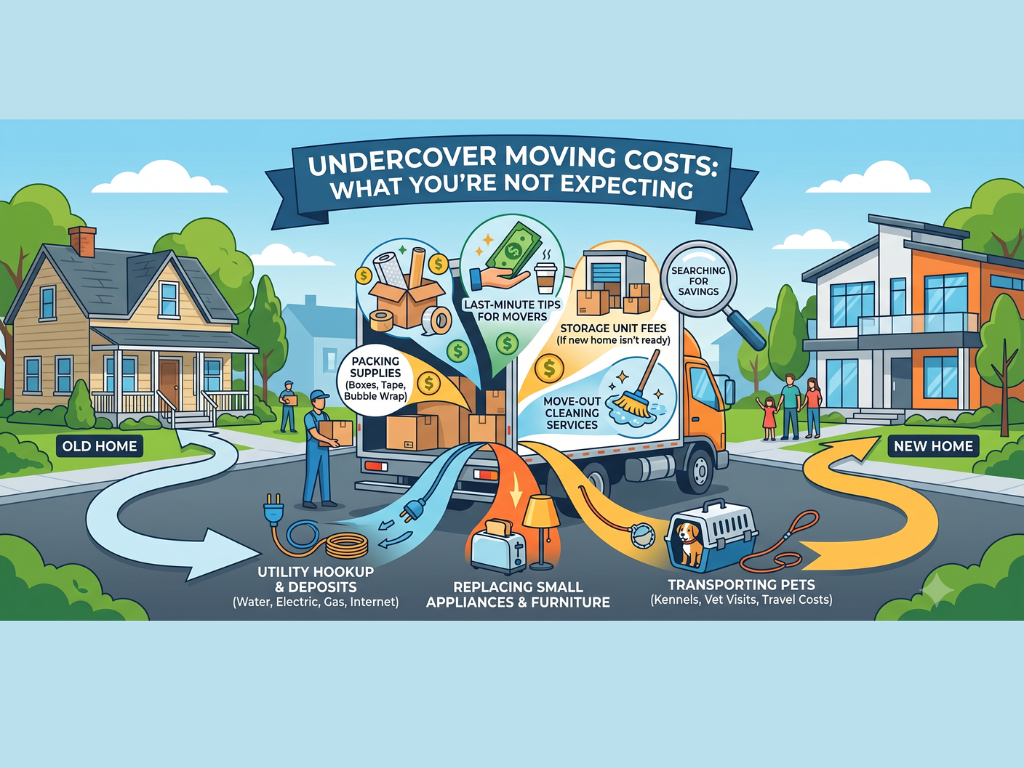
Moving is a major life event, often filled with excitement about a fresh start. However, beneath the surface of packing boxes and planning logistics lies a landscape of potential expenses that can quickly inflate your budget. While reputable moving companies are transparent, some costs can be overlooked, especially for first-time movers or those undertaking a particularly complex relocation. This post aims to uncover those hidden moving costs that movers might not explicitly highlight, helping you prepare financially and avoid unwelcome surprises.
The Obvious vs. The Overlooked
When you first start planning a move, your mind immediately goes to the big ticket items: the moving company's quote, packing supplies, and perhaps truck rental if you're going the DIY route. These are indeed significant expenses, and understanding them is crucial. For a comprehensive overview of these initial estimates, you can explore our detailed moving cost calculator to get a baseline idea of your expenses.
However, the real financial strain often comes from the smaller, less obvious charges that creep in. These can range from fees for specialized services to unexpected charges for access or parking. Let's break down some of the most common hidden moving costs you should be aware of.
Fees for Access and Logistics
This is where many unexpected charges can arise, particularly in urban environments or for properties with unique access challenges. Movers incur extra time and effort when dealing with these situations, and they often pass those costs on.
Stairs and Long Carries
If your current or new home has multiple flights of stairs, or if the moving truck can't park directly at your door, expect to pay more. Movers charge for the extra labor and time it takes to carry your belongings up or down stairs, or to navigate long distances from the truck to the entrance. This is often calculated per flight of stairs or per foot of distance beyond a certain threshold.
Parking Permits and Fees
In many cities, you'll need a permit to park a large moving truck on the street for an extended period. The cost of these permits varies significantly by location. Additionally, some apartment buildings or condos may charge a fee for using their loading docks or elevators, especially during peak hours.
Narrow Hallways and Difficult Entryways
While less common, if your furniture and boxes are too large to easily maneuver through doorways, narrow hallways, or tight corners, movers might charge extra for the additional time and care required to avoid damage to your belongings or the property itself.
Specialized Item Handling
Certain items in your home require special attention and expertise to move safely. While some moving companies will quote these upfront, others might reveal these costs later, especially if they discover the items during the packing or loading process.
Pianos and Grandfather Clocks
These large, heavy, and delicate items require specialized equipment, skills, and often extra personnel. The cost of moving a piano or a grandfather clock is almost always an add-on fee.
Large Appliances
While standard refrigerators and washing machines might be included in the general moving fee, some companies charge extra for disconnecting and reconnecting large appliances, or for handling particularly heavy or complex ones like industrial-sized refrigerators.
Artwork and Antiques
High-value or fragile items like artwork, mirrors, and antiques often require custom crating and specialized handling. The cost of these materials and the expert labor can add a significant sum to your bill.
Packing and Unpacking Services
While you might opt to pack yourself to save money, if you decide to use your movers' packing services, be aware of how they structure their fees. Sometimes, the cost of specialized packing materials isn't fully integrated into the initial quote.
Custom Crating
As mentioned, delicate or unusually shaped items will likely need custom crates. The materials and labor for these can be expensive, and it’s worth clarifying this when getting your quote.
Specialty Packing Materials
Beyond standard boxes and tape, items like fragile dishware, electronics, or valuable china might require bubble wrap, packing peanuts, specialized inserts, or garment bags. The cost of these materials can add up.
Disassembly and Reassembly
If you have large furniture that needs to be disassembled to fit through doorways or for safer transport (like beds, large tables, or wardrobes), movers may charge an hourly fee for this service, as well as for reassembling it at your new location. This is particularly relevant for office equipment, where common mistakes to avoid when moving office equipment can compound costs if not handled by professionals.
Insurance and Liability
While moving companies are required to offer a basic level of liability coverage, it's often very limited and might not fully cover the value of your belongings. Understanding the different types of moving insurance offered by movers is crucial to avoid out-of-pocket losses.
Released Value Protection
This is the basic, no-cost option. It typically covers your belongings at a rate of $0.60 per pound per item. This means a 100-pound dresser damaged beyond repair would only be compensated at $60, a fraction of its actual value.
Full Value Protection
This is a more comprehensive insurance option where the moving company is responsible for the replacement value of lost or damaged items. This costs extra and is usually priced based on the estimated value of your shipment. It's essential to understand the deductible and any limitations.
Third-Party Insurance
You may also have the option to purchase separate moving insurance from a third-party provider, which could offer more robust coverage or better rates. Always compare your options.
Unexpected Delays and Storage
Life rarely goes exactly according to plan, and moving is no exception. Delays can lead to unexpected costs.
Storage Fees
If your new home isn't ready when your belongings arrive, or if there's a significant gap between moving out and moving in, you might need to store your items. This incurs additional fees for the storage unit and potentially for the extra handling involved.
Detention Fees
If your move is delayed due to circumstances beyond the mover's control (e.g., waiting for keys to a new property, unexpected traffic jams that cause them to exceed their scheduled time at your location), they may charge "detention fees" for the extra time their crew is on standby.
Fuel Surcharges and Tolls
For long-distance moves, fuel costs can fluctuate. While some quotes might include an estimated fuel surcharge, others might add it as a separate line item, especially if fuel prices rise significantly between booking and the move date. Similarly, if the most efficient route involves toll roads, these costs can be passed on to you.
Tips for Avoiding Hidden Costs
The best defense against hidden moving costs is thorough preparation and clear communication.
- Get Detailed Quotes: Don't settle for a single quote. Get estimates from multiple reputable companies. When reviewing them, look for any vague line items or potential add-ons. Always ask for clarification. You can find some initial guidance on choosing a company in our post about why reviews matter when choosing a moving company.
- Conduct a Thorough Survey: Whether it's a virtual or in-person survey, ensure the movers see everything that needs to be moved. Be upfront about any large, heavy, or valuable items. Our guide on virtual moving survey vs in person which is better can help you prepare for this.
- Read the Contract Carefully: Before signing anything, read the entire contract. Pay close attention to the sections on additional charges, liability, and cancellation policies.
- Ask Specific Questions: Don't be afraid to ask about potential fees for stairs, long carries, parking, or specialized items. A good mover will be happy to explain their pricing structure.
- Consider DIY for Certain Aspects: If your budget is tight, consider packing your own belongings, disassembling simple furniture yourself, or handling the move of smaller, less valuable items yourself. Explore options for the cheapest way to move furniture to another state if long-distance is your goal.
- Be Prepared for the Unexpected: Have a small contingency fund set aside for unforeseen expenses.
By being informed and proactive, you can navigate the complexities of moving and minimize the chances of encountering unwelcome financial surprises. A well-planned move is a less stressful move, both emotionally and financially.
Frequently Asked Questions
What is a "long carry" fee?
A long carry fee is an additional charge levied by moving companies when the distance between their truck and your home's entrance is greater than a standard or pre-determined limit. This extra distance requires more time and effort from the movers.
Is packing my own boxes cheaper than having movers pack them?
Generally, yes. While movers have efficient packing techniques, their labor costs for packing can significantly increase the overall price of your move. Doing it yourself saves on labor, though you will still incur the cost of packing supplies.
How can I avoid extra charges for stairs?
Be upfront with your moving company about the number of stairs at both your origin and destination during the initial quote process. If a significant number of stairs are involved, they may factor this into their estimate. Some companies charge per flight, so understanding their policy beforehand is key.
What's the difference between released value protection and full value protection?
Released value protection is the basic, no-cost liability coverage offered by movers, which compensates for loss or damage at a minimal rate per pound per item. Full value protection is a more comprehensive insurance option, where the mover is responsible for replacing or repairing lost or damaged items to their actual value, and it comes at an additional cost.
Can movers charge me extra if my new apartment has narrow hallways?
Yes, movers may charge additional fees if hallways, doorways, or staircases are unusually narrow, making it difficult to maneuver