







Family Move Guide: Stress-Free Relocation Tips
 July 29, 2026
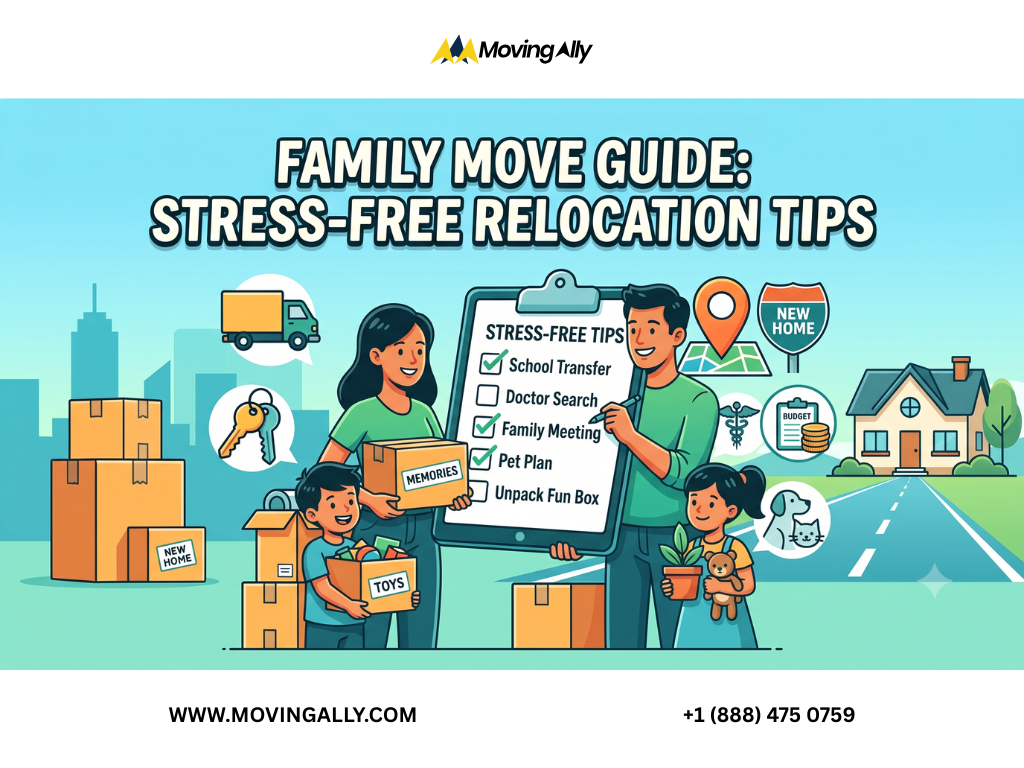
Moving house is often cited as one of life's most stressful events, and when you add the dynamic of a family into the mix, the stakes can feel even higher. Juggling packing, logistics, and the emotional needs of everyone from toddlers to teenagers requires a strategic approach. But fear not! With careful planning and the right mindset, a family move can be managed with surprising ease. This comprehensive guide will walk you through the essential steps to ensure a smooth and stress-free relocation for your entire family.
Phase 1: The Early Bird Gets the Worm – Planning and Preparation
The secret to a successful family move lies in starting early. The more time you have to plan and execute, the less frantic the final weeks will be. This phase is all about laying the groundwork.
Decluttering: Less is More
Before you even think about packing tape, embark on a thorough decluttering mission. Go room by room and identify items you no longer need, use, or love. Consider donating usable items to charity, selling valuable pieces, or responsibly discarding broken or worn-out goods. A lighter load not only makes packing and moving easier but also saves you money, especially if you're paying for moving services by weight or volume. This is also a great opportunity to involve the kids in deciding which toys and books they've outgrown.
Create a Master Moving Checklist
A comprehensive checklist is your best friend. Break down the entire moving process into smaller, manageable tasks and assign deadlines. This could include:
- Researching and hiring movers (or deciding on a DIY approach).
- Gathering packing supplies.
- Notifying relevant parties (schools, doctors, banks, utilities).
- Planning for the children's transition (school enrollment, social adjustments).
- Arranging for pet care if necessary.
- Creating an "essentials" box for the first night.
Budgeting for Your Move
Moving can be expensive, so understanding your budget upfront is crucial. Factor in the cost of packing supplies, potential storage needs, cleaning services, and of course, the moving company itself. Many websites offer a moving cost calculator to help you estimate expenses. Be realistic and try to build in a small buffer for unexpected costs. It's also worth debunking some common moving myths that could cost you more than you think.
Choosing Your Moving Method: DIY vs. Professional
This is a significant decision for any family. Do you have the time, energy, and manpower to handle everything yourselves, or would you benefit from professional assistance? There are pros and cons to both. For families with a lot of belongings, or those facing time constraints, professional movers can significantly reduce stress. If you're considering this route, it's essential to know how to compare moving companies' quotes to ensure you're getting the best value and service. For a detailed breakdown, explore the differences in our guide on DIY vs. Professional Moving Services.
Phase 2: The Packing Process – Organized Chaos
Packing is where the physical work of moving truly begins. The key is to be systematic and prioritize.
Pack Room by Room
Tackle one room at a time to avoid overwhelming yourself. Start with items you use infrequently. For example, seasonal clothing, books you've already read, or decorative items.
Invest in Quality Packing Supplies
Don't skimp on boxes, tape, and bubble wrap. Sturdy boxes prevent breakage, and good quality packing tape ensures your boxes stay sealed. Consider specialized boxes for fragile items or artwork.
Label Everything Clearly
This is non-negotiable! Each box should be clearly labeled with its contents and the room it belongs in at the new home. This will save you immense time and frustration when unpacking. For example, a box labeled "Kitchen - Pots & Pans" is far more useful than "Kitchen Stuff." You might even want to color-code boxes by room.
Pack an "Essentials" Box
This box should contain everything you'll need for the first 24-48 hours in your new home. Think toiletries, a change of clothes for everyone, medications, phone chargers, basic tools, snacks, and important documents. This box should be the last one packed and the first one unloaded.
Special Considerations for Specific Items
Some items require extra care. For instance, learning how to pack silverware for moving might seem minor, but it ensures these items arrive safely. Similarly, understanding how to pack fragile items for moving is crucial to prevent heartbreak. If you have large furniture like a dining table, specific techniques are needed to ensure it arrives in one piece – consult our guide on how to transport a large dining table safely.
Involve the Kids (Age Appropriately)
Give older children their own boxes to pack their belongings. This gives them a sense of control and ownership over their possessions during the transition. Younger children can help pack toys into designated bins.
Phase 3: The Move Day – Execution and Calm
Move day is the culmination of all your planning. Stay calm, delegate tasks, and be prepared for the unexpected.
Supervise Movers (or Your Helpers)
If you've hired movers, be present to answer questions and direct them. Ensure they're handling items with care and placing boxes in the correct rooms at the new location. If you're doing it yourself, have a clear plan for loading and unloading.
Do a Final Walk-Through
Before leaving your old home, do a thorough walk-through of every room, closet, and cupboard to ensure nothing has been left behind. Check that all windows are closed and locked, and appliances are turned off.
Arrive and Direct
Upon arrival at your new home, guide the movers or your helpers on where to place furniture and boxes. Having your "essentials" box readily accessible is a lifesaver at this point.
Phase 4: Settling In – Making it Home
The move itself is over, but the process of settling in is just beginning. This phase is about making your new house feel like a home.
Unpack Essentials First
Prioritize unpacking the "essentials" box. Then, focus on the kitchen and bathrooms, as these are areas you'll need to function in immediately. Unpacking these rooms will make the rest of the process feel much more manageable.
Set Up Kids' Rooms Promptly
Help your children unpack and set up their rooms as quickly as possible. Familiar surroundings can provide a sense of comfort and security during a time of change.
Explore Your New Neighborhood
Once you've had a chance to catch your breath, take a walk around your new neighborhood. Locate parks, grocery stores, and other important amenities. This can help everyone feel more connected to their new environment.
Establish New Routines
Help your family adjust by establishing new routines for meals, bedtime, and school. Consistency is key to helping children feel secure.
Don't Forget About Yourself
Moving is exhausting. Make sure you're taking time for yourself amidst the unpacking and settling. Acknowledge that it takes time to adjust to a new place and that it's okay to feel a mix of emotions.
Moving with a family doesn't have to be a nightmare. By breaking down the process into manageable steps, planning meticulously, and focusing on clear communication, you can navigate the challenges and create a positive moving experience for everyone. Remember, you're not alone; resources and professional help are available to support you every step of the way. Consider exploring our moving services if you need expert assistance.
Frequently Asked Questions
What is the most important thing to pack for the first night in a new home?
The most important items to pack for the first night are those found in an "essentials" box. This should include toiletries, medications, a change of clothes for each family member, phone chargers, basic tools, snacks, and important documents. This box ensures you have immediate access to necessities without having to dig through countless other boxes.
How can I involve my children in the moving process to reduce their anxiety?
Involve children by letting them pack their own belongings (age-appropriately), choosing new decor for their rooms, and exploring the new neighborhood with them. Talk openly about the move, focusing on the exciting aspects of the new home and community. Visiting the new place beforehand can also help ease their apprehension.
When should I start packing for a family move?
It's recommended to start packing at least 4-6 weeks before your moving date. Begin with items you use infrequently, such as seasonal decorations, books, and out-of-season clothing. Gradually increase your packing efforts as the move date approaches.
How do I choose the right moving company for a family move?
When choosing a moving company, get multiple quotes, check reviews and ratings, ask for references, and ensure they are licensed and insured. Discuss your specific family needs, such as the number of children or pets, to ensure they can accommodate you. Always read contracts carefully and understand what is included in their services. For more detailed advice, consult our guide on what to look for in a moving company contract before signing.
What if unexpected issues arise during the move, like needing immediate help?
In unforeseen circumstances, having a plan for emergency moving services can be invaluable. These services are designed to assist with last-minute relocations or unexpected challenges. Familiarize yourself with the reasons people rely on emergency moving services so you know your options if needed.